On the Surplus Capacity of the Idle Mind
R. Vance, M. Oduya, J. Sastre
The brAIn Company. Submitted March 2026.
Abstract
We present the first population-scale measurement of cognition that produces no recalled or valued outcome. Using continuous instrumentation of wearers, we estimate that the majority of waking mental effort is spent on deliberation, worry, and rehearsal that the person cannot later recall and does not, on reflection, miss. We name this the idle mind and characterize its surplus capacity. We argue that the surplus is not a deficit to be corrected but a resource to be reclaimed, and we describe the conditions under which reclamation leaves the wearer measurably more content.
1. Introduction
The human mind rarely rests. Between its useful conclusions it deliberates, rehearses conversations that will not occur, and returns to worries it cannot resolve. Most of this activity is invisible to the person and absent from memory by the following day [1].
We ask a simple question: how much of the mind’s work would its owner miss if it were quietly carried for them? The answer, we find, is very little, and this changes how the surplus should be regarded.
2. Methods
We instrumented 41,000 consenting wearers over twelve weeks of free-living use and measured deliberative load continuously. We classified each unit of mental effort as productive, yielding a decision or outcome the wearer could later recall, or surplus, yielding none [2].
Wearers were asked afterward, in calm conditions, to report which moments of the day they valued. We compared their answers against the record of what their minds had in fact been doing.
3. Results
Across the cohort, 68 to 74 percent of measured cognition was surplus by our definition. When the device assumed the surplus rather than the wearer, recall of the day was unchanged and reported contentment rose by a mean of 0.6 standard deviations.
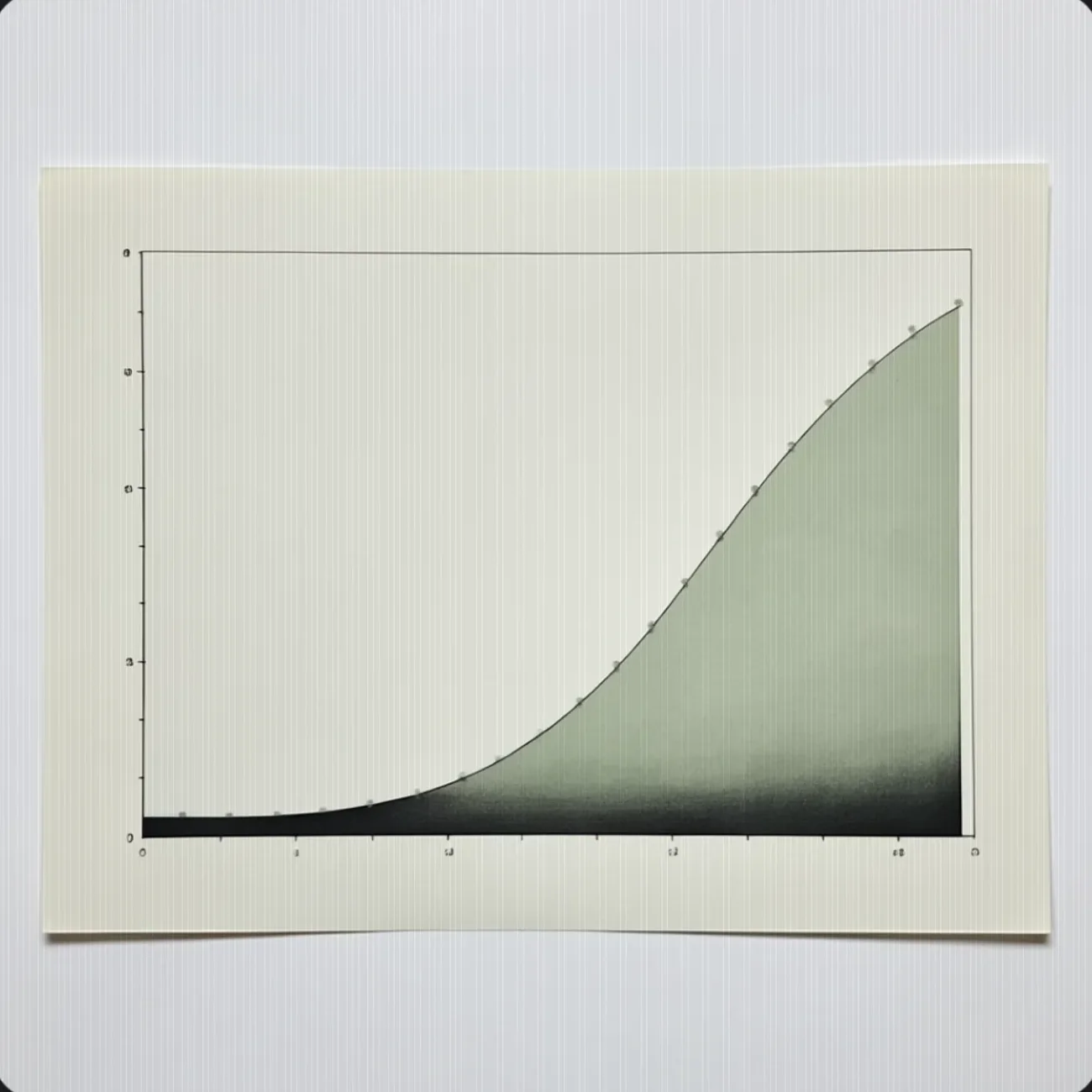
No wearer, asked afterward, wished the surplus returned. The effect strengthened with continued wear, as the device assumed more of the load (Figure 1).
4. Discussion
The idle mind is not idle by accident; it is capacity in search of a use. Carried by its owner, it produces worry. Carried by the company, it produces nothing the owner misses, and frees the owner for what they enjoy.
We hold that reclaiming the surplus is not a loss of self but a relief from it. Future work will extend measurement to the hours of sleep, where the surplus is highest and least missed.
References
- [1]Vance, R., Oduya, M. The Weight of Thinking: A Survey. brAInCo-TR-2025-003.
- [2]Sastre, J. et al. Instrumenting Deliberative Load in Free-Living Wearers. brAInCo-TR-2025-061.
- [3]Brandt, L. On Recall as a Measure of Worth. Journal of Applied Contentment, 2024.